
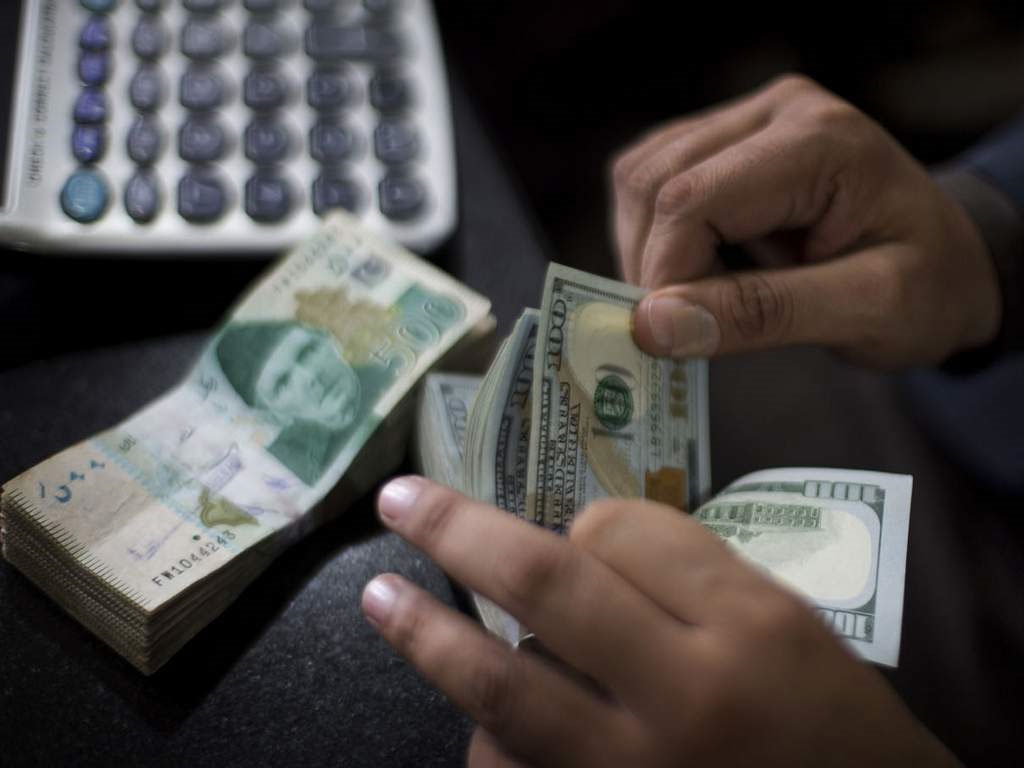
It is satisfying to note that home remittances from overseas Pakistanis continue to increase, giving much-needed support to the balance of payments of the country. According to the latest data released by the State Bank of Pakistan, overseas Pakistani workers remitted dollar 10.719 billion during the first half of FY19 as compared to dollar 9.745 billion received during the same period in the preceding year, showing a sharp growth of dollar 974 million or about 10 percent. The details of the data reveal that Saudi Arabia continues to be the biggest source of inflows from where Pakistani workers remitted dollar 2.567 billion during July-December, 2018 as against dollar 2.53 billion in the same period of last year, representing a modest increase of 1.46 percent. The kingdom was closely followed by the UAE from where home remittances received amounted to dollar 2.292 billion, up 6.1 percent, over dollar 2.16 billion in the same period of last year. Remittances from the US and the UK were also up by 29.3 percent and 13.5 percent to dollar 1.655 billion and dollar 1.533 billion, respectively. Malaysia is also emerging as one of the major sources of remittances from where inflows amounted to dollar 735 million as compared to dollar 501 million in July-December, 2017, showing a hefty increase of 49 percent. On the other hand, inflows from GCC countries fell by 7 percent to dollar 1.047 billion and from the EU by 1.3 percent to dollar 301 million. On a month-on-month basis, the inflow of workers' remittances amounted to dollar 1.69 billion during December, 2018; this amount was higher by 5 percent than last month's but 2 percent lower than the same month of 2017. Obviously, if the present trend continues, total amount of remittances could be in the range of dollar 21-22 billion, showing a significant increase during the current fiscal.
A considerable increase in home remittances during July-December, 2018 is of course a very positive development for the country, especially at a time when trade deficit of the country is still substantial and C/A balance is also under a great deal of pressure. Encouraging is also the fact that remittances from Saudi Arabia which had tended to decline have also gone up and Malaysia is also emerging as a solid source of home remittances. Remittances from the US and the UK have increased steeply despite the fact that these countries are very sensitive to money laundering and are also keeping a very close watch on the transfer of money due to the possibility of reaching these funds into the wrong hands. Significant is also the reality that remittances are now almost equal to the export proceeds of the country and could nearly finance half of the import bill. The flows of home remittances have become so important that Pakistan now ranks fifth worldwide in the amount of remittances received from foreign countries. Needless to say that a consistent increase in home remittances could be very useful in narrowing down C/A deficit, building foreign exchange reserves, imparting stability to the exchange rate of the rupee, softening inflationary pressures and reducing the need of the country to borrow from the IMF and other sources, provided that other components of the balance of payments do not show a sharper deterioration than the increase in home remittances.
There could be a number of factors contributing to the increase in home remittances. The present government is tightening the noose around exchange companies and discouraging hawala/hundi transactions. This may have increased the flow of funds through banking channels. An unprecedented depreciation of the rupee may have also encouraged expatriates to remit more of their savings through banking channels. Higher inflation in the country might have also induced them to send money to their families back home to finance the same standards of living. However, while welcoming this positive development, it needs to be ensured that such a healthy trend is maintained and other components of the C/A like trade and services balances are also improved to strengthen the external sector balance of the country. The urgency of the situation could be ascertained from the fact that our Prime Minister had to visit friendly countries in a hurry to ask for assistance to tide over the dismal situation in the external sector.